
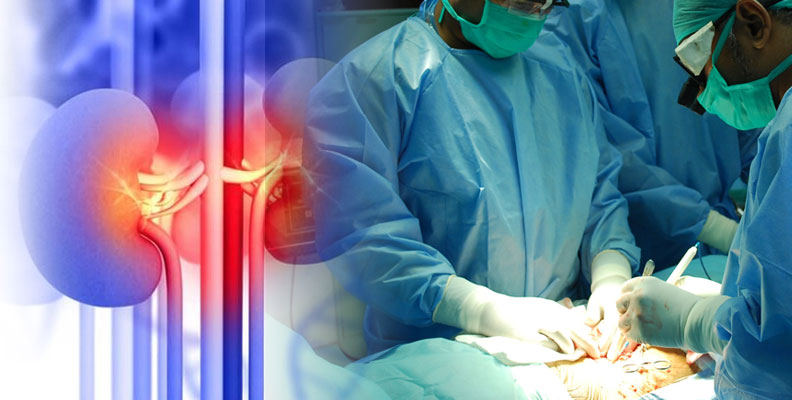
About Kidney Transplant
When your kidneys fail, treatment is needed to replace the work your own kidneys can no longer do. There are two types of treatment for kidney failure: dialysis or transplant.
When you get a kidney transplant, a healthy kidney is placed inside your body to do the work your own kidneys can no longer do. On average, a kidney transplant from a living donor lasts about 15 to 20 years, and a kidney from a deceased donor lasts 8 to 12 years. Some will last longer; others will last less.
Today, most people get a kidney transplant after being on dialysis for some amount of time, but that is not the only option. Getting a transplant before you need to start dialysis is called a preemptive transplant. Research shows that a preemptive or early transplant, with little or no time spent on dialysis, can lead to better long-term health. It may also allow you to keep working and have a better quality of life.
If your doctor has told you that your kidney disease is getting worse or that you are in a later stage of kidney disease, called Stage 3B, Stage 4, or Stage 5, it could be a good time to talk about kidney transplant.
Types: Living and Deceased
There are two types of kidney transplants: a deceased donor kidney transplant and a living donor kidney transplant. A deceased donor kidney comes from someone has died and made the decision to become an organ donor. A kidney from a living donor is from someone who is living, has two healthy kidneys, and chooses to donate one to someone in need. A living donor can be someone you know, like a family member or friend, but they do not need to be related to you.
The first step to getting a deceased or living donor kidney is to have an evaluation at a transplant center. In most cases, a potential living donor can be evaluated at the same time as the recipient, who is the person with kidney disease who needs a kidney.
Benefits of kidney transplant
Studies show that people with kidney transplants live longer than those who stay on dialysis. A successful kidney transplant may also allow you the freedom to live the kind of life you were living before you got kidney disease or started dialysis, including work, travel, and more time to spend with friends and family.
For many patients, there are fewer limits on what you can eat and drink, though you should follow a heart-healthy diet and maintain a healthy weight to help your new kidney last. Your health and energy should also improve.
Who can get a kidney transplant
In general, kidney patients of all ages can be considered for transplant. Some transplant centers have an upper age limit, while others don’t have any age limit. Every person will complete a full medical and psychosocial evaluation at a transplant center to make sure they are a candidate for transplant. Candidates for transplant need to be healthy enough for the surgery and prepared to take care of the new kidney, including taking medications every day. In many cases, people who are older or have other health conditions like diabetes can still have successful kidney transplants.
What is a kidney transplant?
A kidney transplant is a surgery that involves taking a healthy kidney from a donor and placing it into a person whose kidneys are no longer working properly.
Where does my new kidney come from?
Kidneys for transplantation might come from living donors or deceased organ donors. Immediate family members, spouses and friends may qualify for kidney donation. Deceased donor kidneys come from those who have elected to donate their organs upon death.
Potential kidney donors are carefully screened to make sure they’re a match. This helps prevent complications.
Why are kidney transplants done?
Kidney transplants are done to help people with chronic kidney disease or end-stage renal (kidney) failure. When your kidneys can no longer filter waste properly, you’ll need either dialysis (which uses a machine to remove waste from your bloodstream) or a kidney transplant.
Procedure Details
What are the kidney transplant requirements?
Each hospital has its own criteria for accepting people as kidney transplant recipients. But in general, candidates should have:
- End-stage renal failure and be on dialysis.
- Late-stage chronic kidney disease, approaching the need for dialysis.
- A life expectancy of at least five years.
- A full understanding of postoperative instructions and care.
What is the best age for kidney transplant?
While most kidney transplant recipients are between the ages of 45 and 65, there really is no upper age limit. However, to ensure the best results, your healthcare provider will likely look for a donor who is close to your own age.
How many kidney transplants can a person have?
In some cases, people can have two and even three or four kidney transplants in their lifetime. Your healthcare provider can tell you if this is an option for you.
What disqualifies you from getting a kidney transplant?
Kidney transplants are approved on a case-by-case basis. However, there are some general factors that could make a person ineligible for a kidney transplant, such as:
- A serious health condition that makes it dangerous to have surgery.
- Recurring (returning) infection.
- A short life expectancy.
- Drug or alcohol abuse.
No matter what your situation, your healthcare provider can determine whether a kidney transplant is a safe treatment option.
What disqualifies you from getting a kidney transplant?
Kidney transplantation involves placing a healthy kidney into your body, where it can perform all of the functions that a failing kidney cannot.
Your new kidney is placed on the lower right or left side of your abdomen where it’s surgically connected to nearby blood vessels. Placing the kidney in this position allows it to be easily connected to blood vessels and your bladder. The vein and artery of your new kidney are attached to your vein and artery. The new kidney's ureter is attached to your bladder to allow urine to pass out of your body.
What happens to my old kidneys?
In most cases, your surgeon will leave your diseased kidneys inside your body. However, there are three conditions that might require the removal of your old kidneys:
- Infection that could spread to your new, transplanted kidney.
- Unmanaged high blood pressure caused by your original kidneys.
- Reflux or a backup of pee (urine) into your kidneys.
- How long is kidney transplant surgery?
- On average, kidney transplant surgery takes two to four hours to complete.
What happens after a kidney transplant?
Most people spend about three days in the hospital after a kidney transplant. This way, your medical team can keep a close eye on you and make sure you’re recovering well.
Your new transplanted kidney may start working immediately. Or, you may need dialysis temporarily until it starts working. This might take several days or weeks.
You’ll also need to start taking medications to keep your immune system from rejecting your new transplanted kidney.
What will my kidney transplant scar look like?
Your scar will be about 2 to 5 inches long, on the right or left side of your lower abdomen.
How long does a kidney transplant last?
How long a kidney transplant lasts can vary from person to person. In general, kidneys donated by a living person last longer than kidneys donated by a deceased person. On average, however, transplanted kidneys last approximately 10 years.
Risks / Benefits
What are the benefits of kidney transplant?
A successful kidney transplant gives you increased strength, stamina and energy. After transplantation, you should be able to return to a more normal lifestyle and have more control over your daily living. You can have unrestricted diet and fluid intake.
If you were dependent on dialysis before the transplant, you'll have more freedom because you won't be bound to your dialysis schedules.
Anemia, a common problem with kidney failure, might be corrected after transplantation. If you have hypertension (high blood pressure), you could be on fewer blood pressure medications after transplantation.